
We thought long and hard about this next leg of our journey. It is possible and reasonably safe to sail up the Red Sea at the moment…(although we could do without Trump bombing Yemen while we were in the vicinity.) More cruisers are choosing this route now than heading down to South Africa. We sailed for 9 days from Maldives to Socotra (at the start of the Red Sea), then Socotra to Djibouti, was a 6 day passage. Djibouti to Suakin in Sudan, another 5 days. We’re now in Suakin, Sudan, faced with the dreaded northerly head winds for the remaining 700nm of the Red Sea. We’ve been here for a week waiting for the winds abate. We’ve been in company with eight other boats, so it’s quite social and fun.
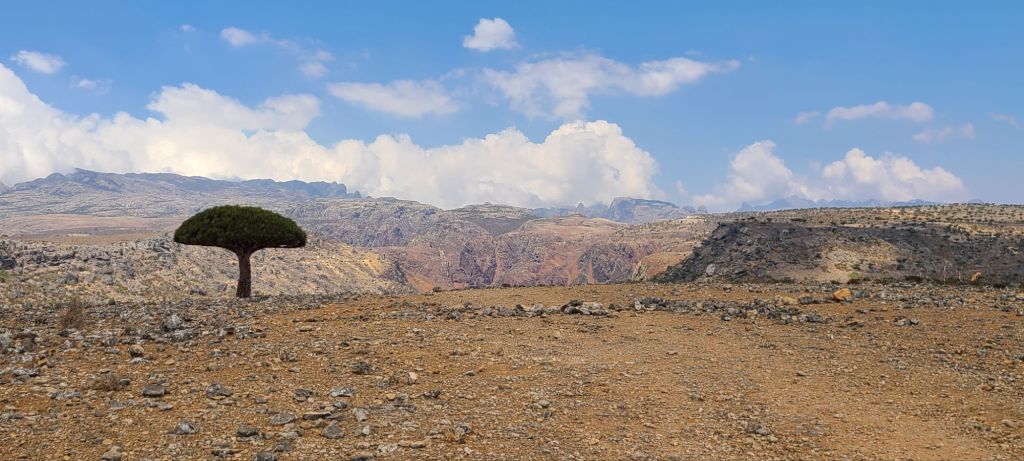
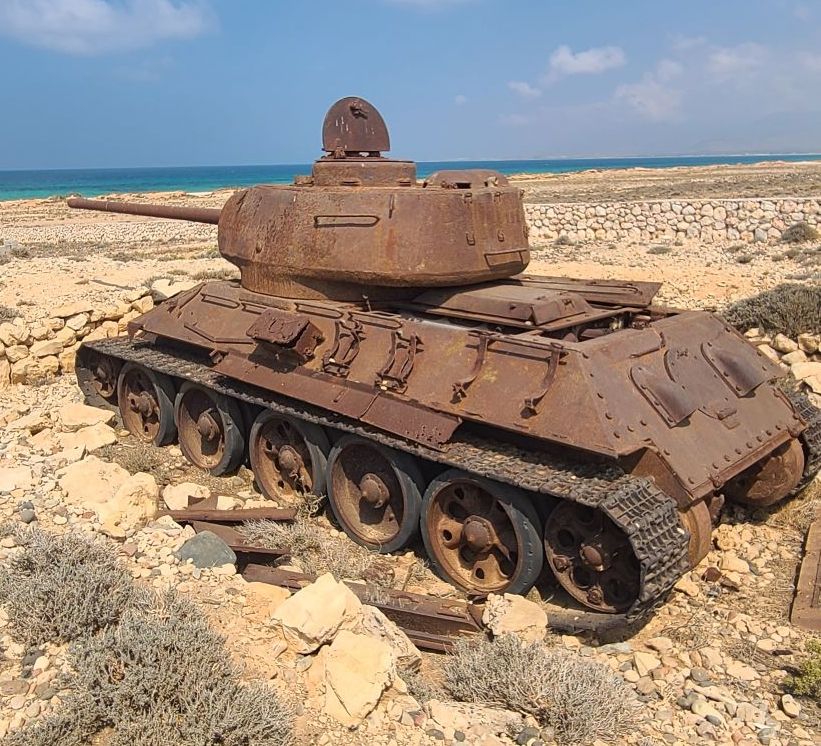
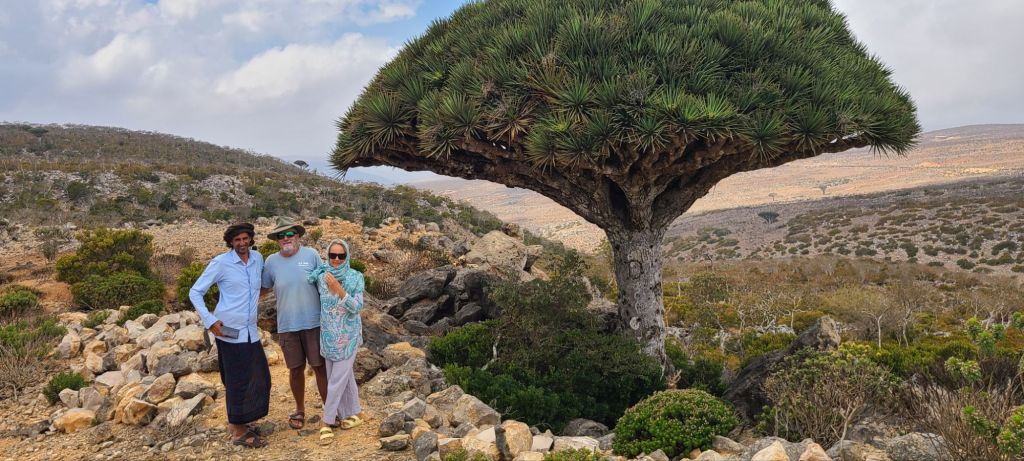
Socotra: With no expectations of Socotra, we were pleasantly surprised by how much we enjoyed our 3 days. I was able to get some basic provisions, and we explored the high country and learned some of the history of this extraordinary, Biblical place. We saw the Dragon Blood trees, frankincense trees, hundreds of goats, Russian tanks left over from WWII, amazing mountains and canyons and touching acts of kindness when our guide stopped at the side of the road and gave a shirt and some water to a disabled man.
Socotra is administered by Yemen and has increased immigration from Yemen as people try to escape the civil war there, and now the most recent attacks by the USA. It is a peaceful place, with very poor but gentle people and very much subsistence living…and oh the garbage and plastic bags, which seem to be a staple food for the goats 🐐.
The 5-day passage from Socotra to Djibouti gave us some great sailing and generally benign conditions with the days rolling together into a groundhog day routine.
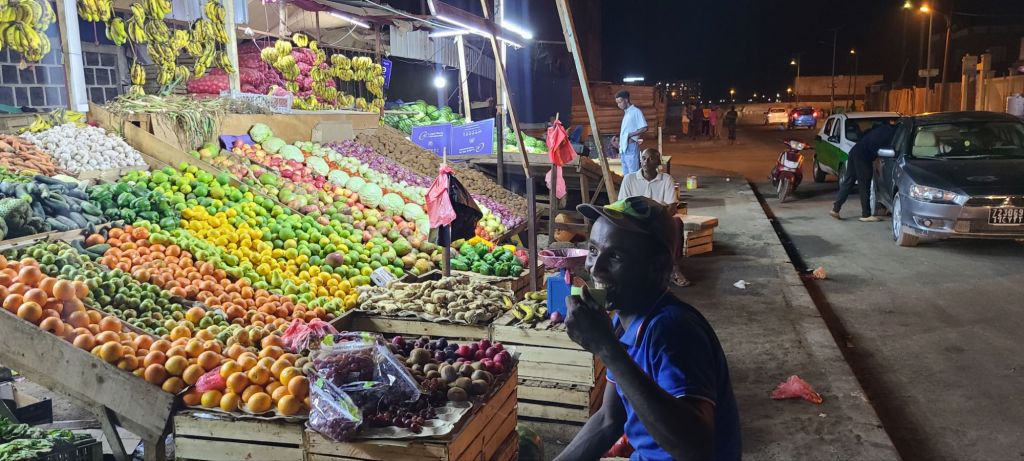
Djibouti: a country with a capital city of the same name. Another very poor country, but going to the shopping centre was like stepping into a European mega mall. The French influence meant that the Gèant supermarket was amazing. The European food was fantastic, but expensive. The people in Djibouti had an assertive edge. There were incidents where we got shouted at for taking the wrong taxi in the queue, or the beggar shouted at us because we didn’t give him enough money. Being Ramadan, I figured that their blood sugars were low.
Djibouti to Suakin was another good passage, and the anchorage next to the old Suakin Island is very comfortable and calm.
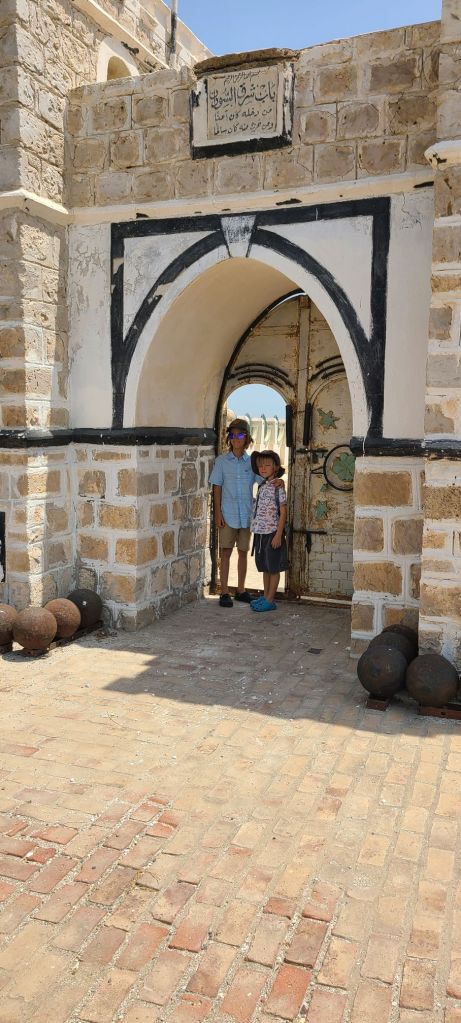
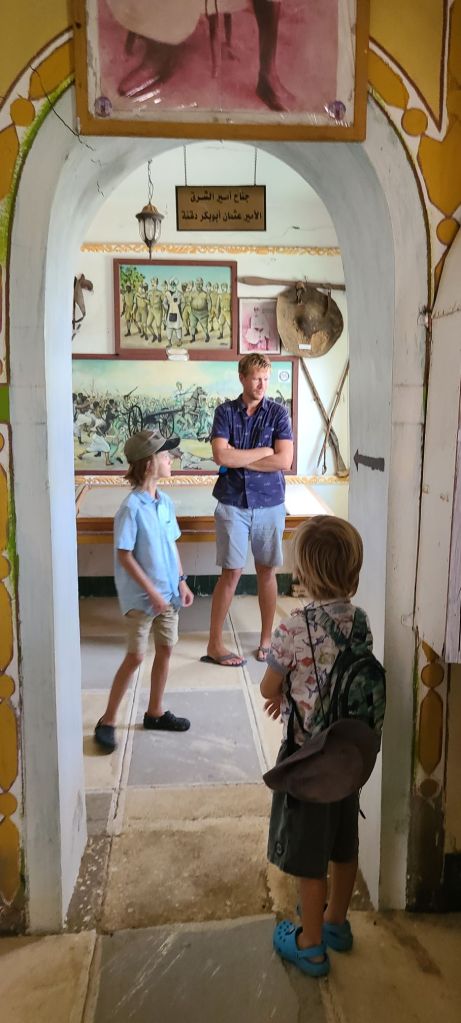
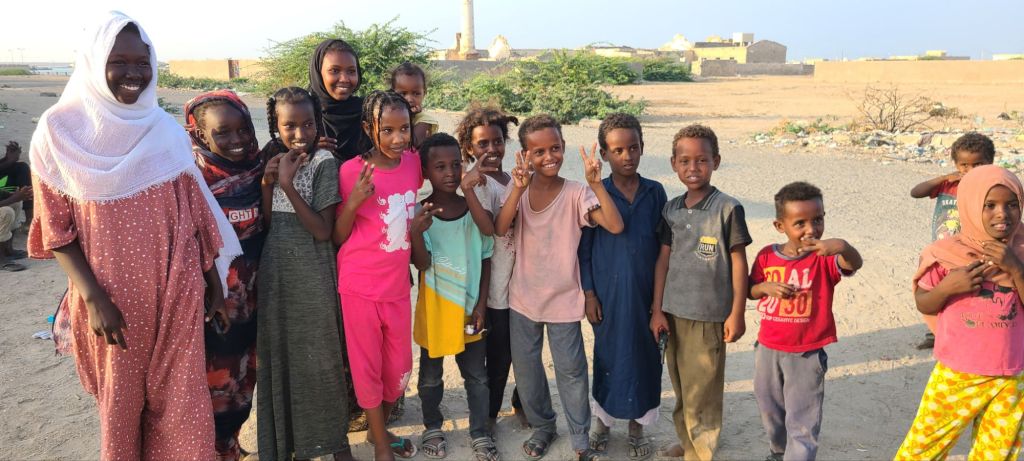
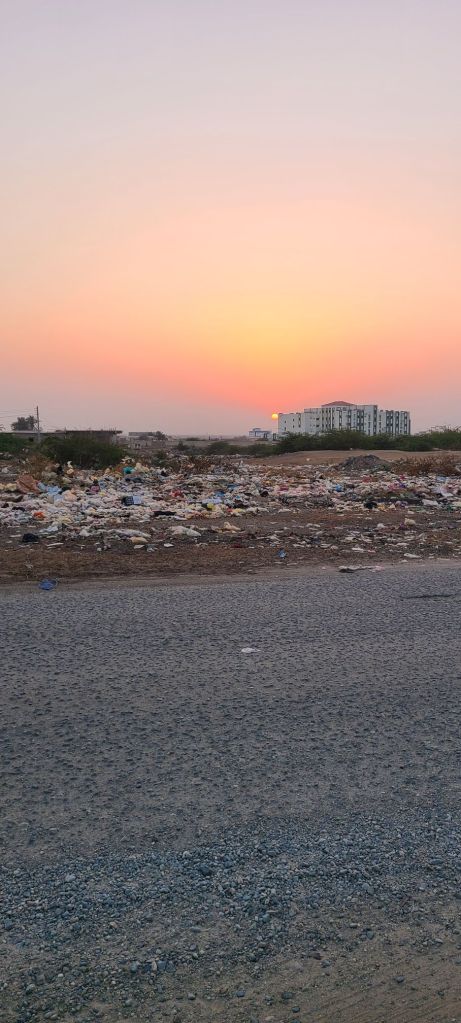
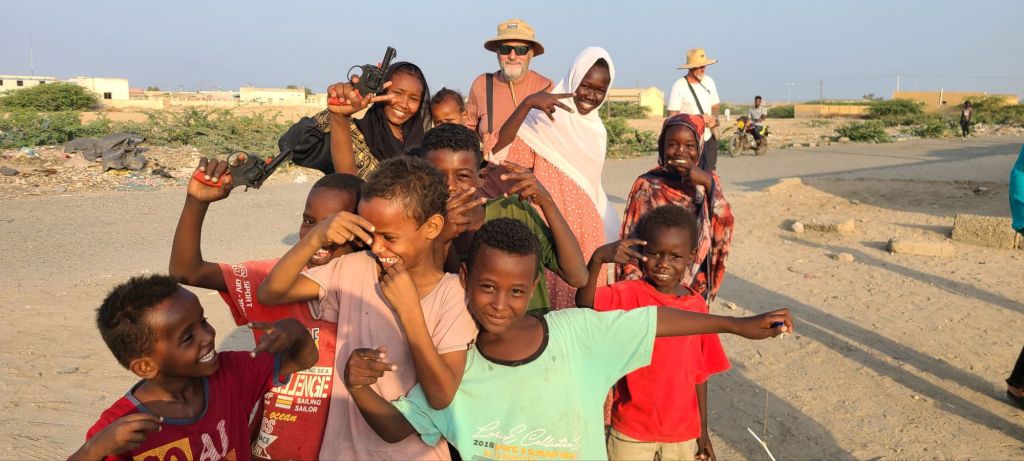
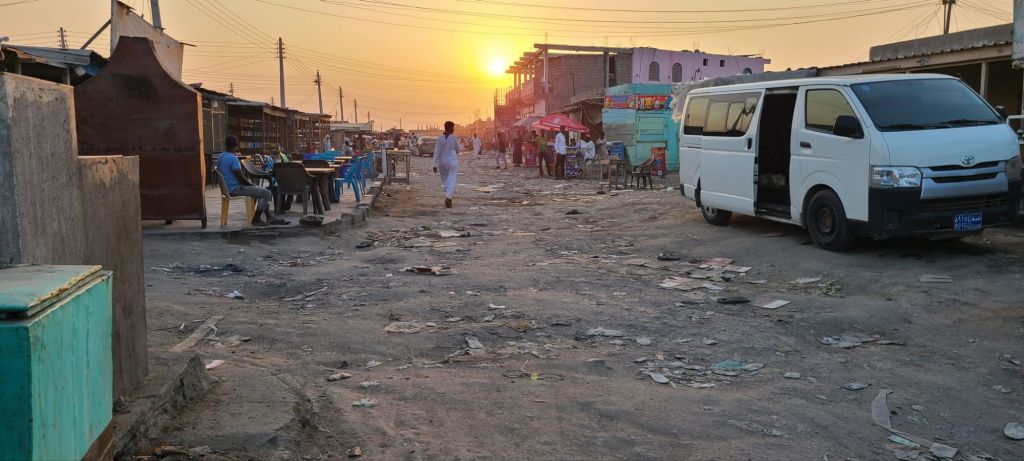
Suakin: The poverty in Suakin is next level confronting, but the people are gentle, curious, and welcoming. Our agent, Mohammed, was attentive and organised, and I highly recommend his services. He organised a mini-van to take all the yachties to the museum (the doors of which hadn’t been open for years).
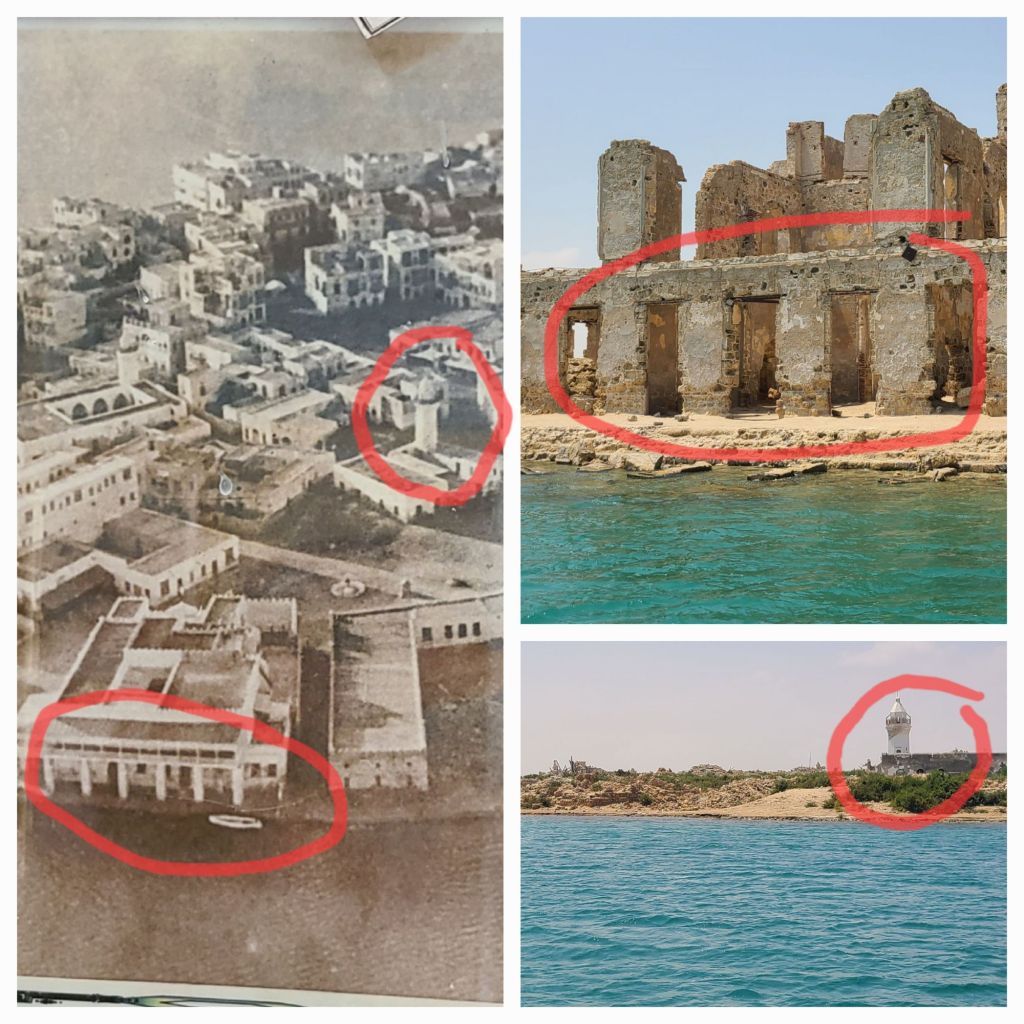
A bit of history about Suakin….it was a medieval city built on an island. It was the most important port along the Red Sea as early as the 13th century. It was the centre for trade in everything, including spices, food, and slaves and ferried African Muslims to Mecca. There is a reference to Venetian and Indian traders residing in Suakin around the 14th century, and then, with the rise of the Ottoman Empire, the Turks occupied and had control of Suakin in the 16th century.
The buildings were made from coral blocks, held together with mortar, and then rendered. It was a very sophisticated city, with beautiful architecture, which has now crumbled to rubble after the city was abandoned by 1922, when the major port became Port Sudan, north of Suakin.
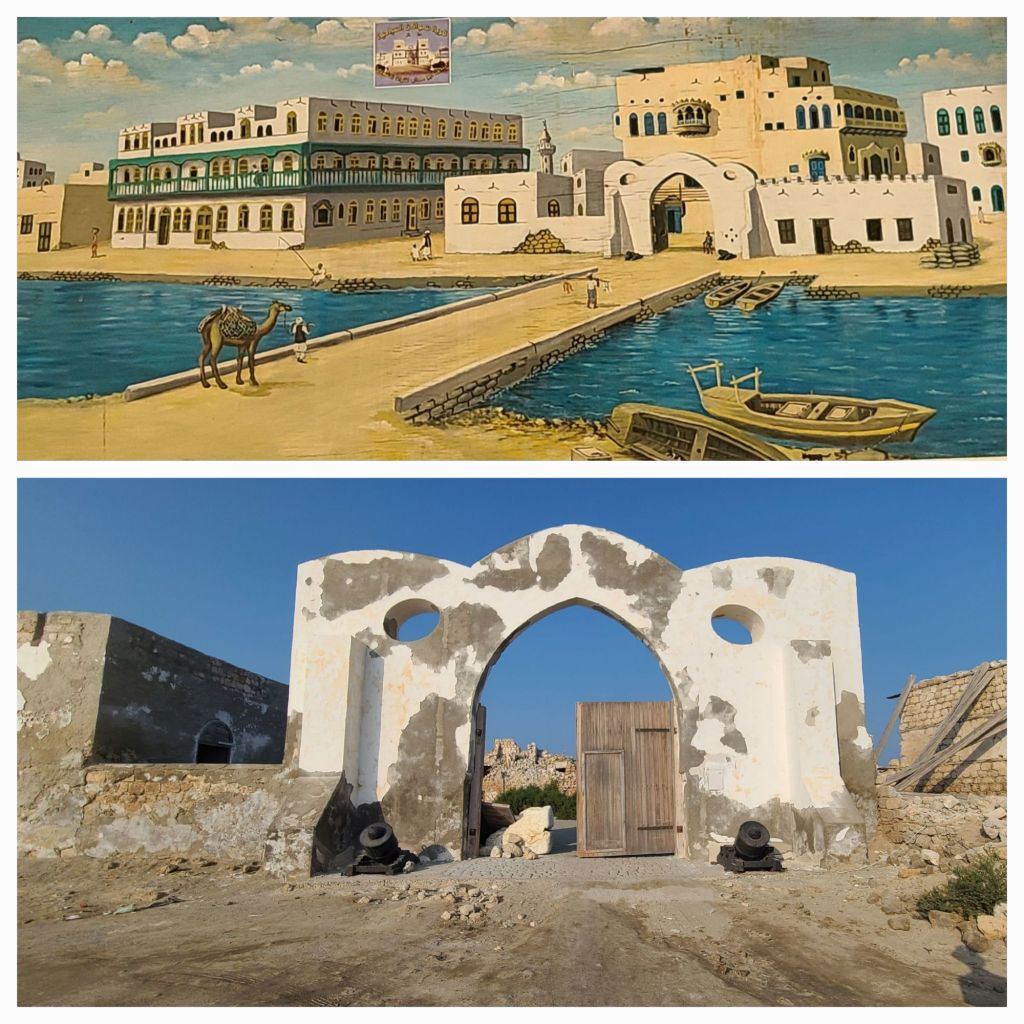
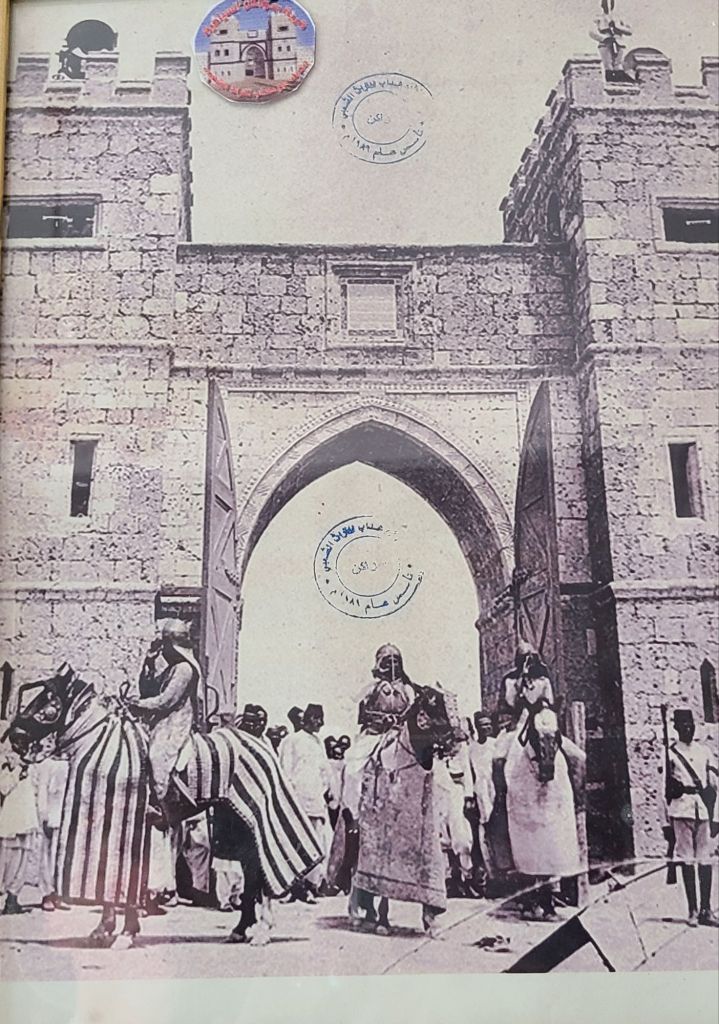
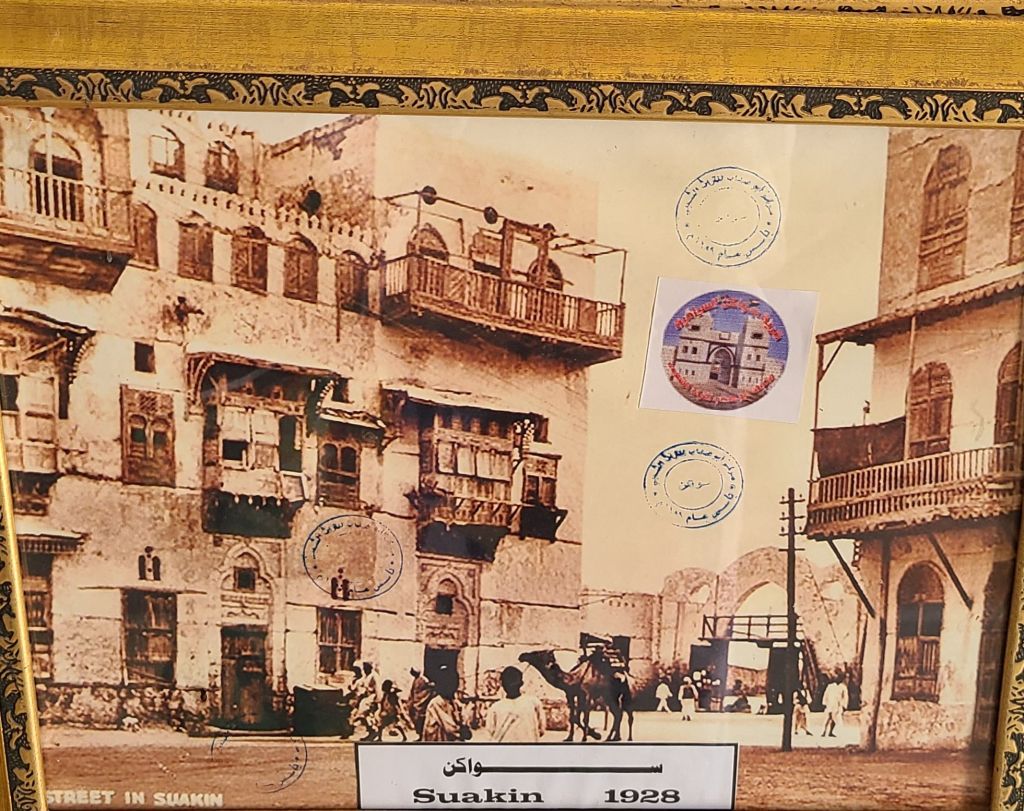
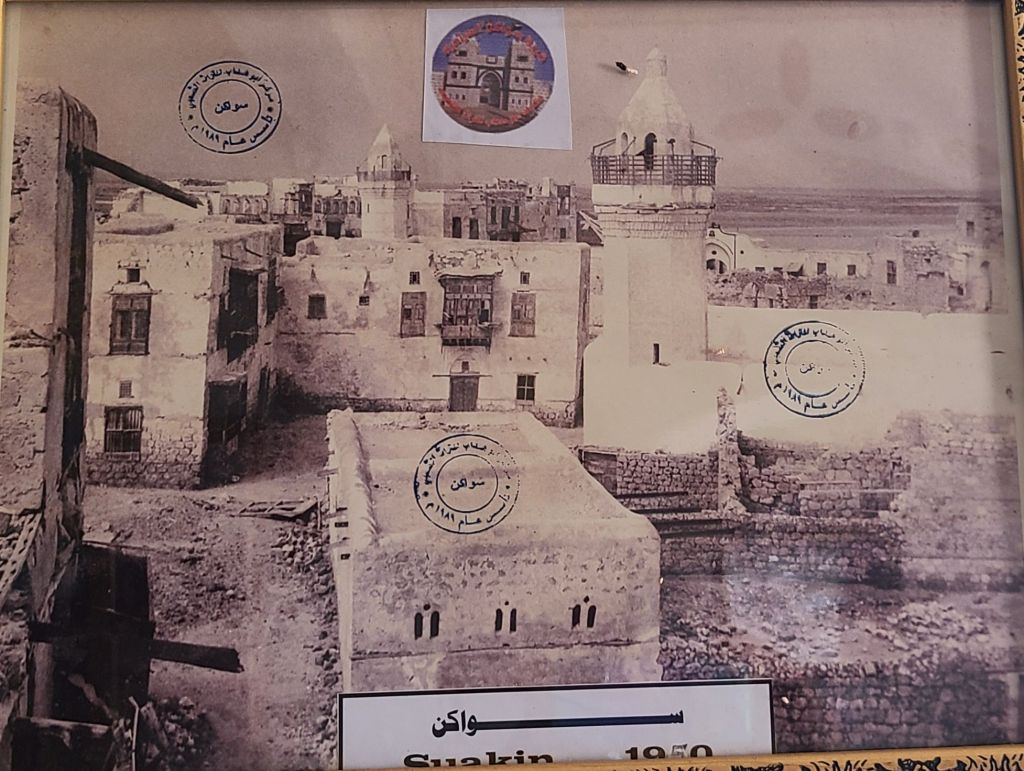
One of the legends of Suakin involves seven virgins, which were a gift from the King of Ethiopia to the King of Egypt. The women were accompanied by a eunuch and guards stopped in Suakin on their journey to Egypt. Suakin appeared to be an empty island. The eunuch and guards rested on the mainland during their stay. After their arrival in Egypt, the king discovered that all the supposed virgins were pregnant. The women explained that they had been visited during the night by seven “jinns” or demons who were responsible for the pregnancies. It is thought that is possibly where the name Suakin or “Sawwa Ginn”, which translates to, “together with the jinn”, or “the jinn did it”. Locals still believe the island is inhabited by the jinns and that they are possibly responsible for its demise.
Photos are better than words when describing Suakin. Such history, poverty, dust, dirt, rubbish, and beautiful people.


 Cruising Innocenti
Leave a reply to Kay Madigan Cancel reply