


How does life become so complicated? We surround ourselves with “stuff”. Things that we perceive necessary to live our comfortable lives, “stuff” that we get emotionally attached to, “stuff” that we paid good money for, but now it’s broken or out of date. Books…paperbacks that we’re unlikely to read again, coffee table books that were gifts, clothes that haven’t seen the light of day for years.
Marie Kondo’s mantra of, “keep only those things that speak to the heart, and discard items that no longer spark joy”, kept playing in my head as I sorted out our stuff into piles. A word of warning if you’re moving on board your boat (or just trying to declutter), you’ve got to be really committed to the process, and you must be ruthless!
We’ve just been through the exercise of packing up our four-bedroom home and moving onto our 42ft sailboat, Innocenti, in preparation to set off on a circumnavigation. Here’s what we did….
Take a deep breath…work out a plan of what you want to achieve (if you have a partner, your ideas may be quite different to theirs. You both need to be on the same page). If you’re moving onto a boat, what are your long-term goals? Are you moving onto a boat for a change of lifestyle, are you going cruising or are you simplifying your life?
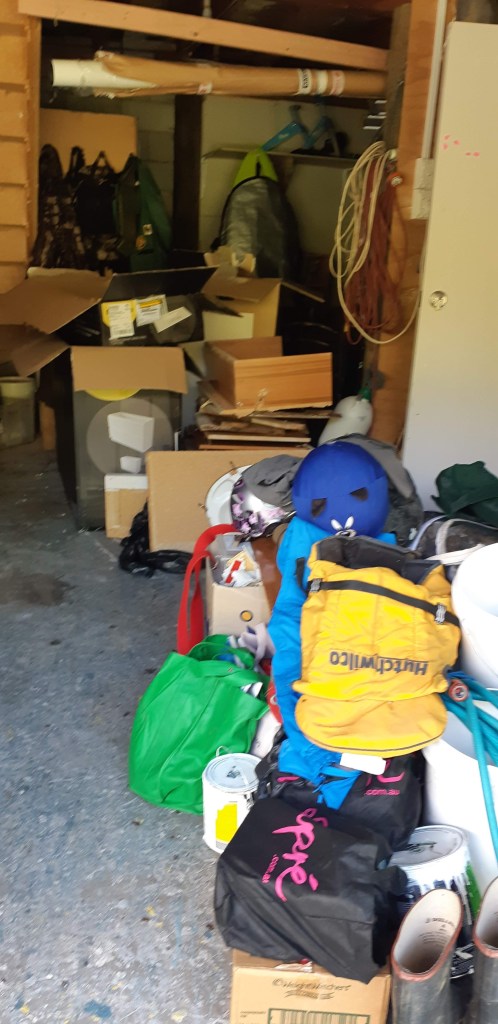
This was one of three loads of junk that we took to the dump!
Do you own a house or apartment? You can make money from it. Rent it out through an agency, or Airbnb. We have set up our house as an executive rental.
- The house is fully furnished although we’ve depersonalised it by packing away valuable artwork and those items of furniture that are heirlooms and still “spark joy”.
- By leaving the furniture in the house, we solved the problem and expense of storage. We decluttered the kitchen cupboards. It’s amazing how many extra gadgets and widgets you gather in a kitchen, and how many extra plates and bowls and mismatched cutlery and pots with wobbly handles that you accumulate over the years.
- All this extra “stuff”, I packed into boxes and took to the charity shops. It felt good that those items were being recycled.
- Set yourself a timeline of when you want to move out. Tackle one room at a time. I found it took about a day to go through each room. I made four piles: stuff to be dumped, stuff to go to the charity shop, stuff that I could sell, and stuff that was to stay in the house.
- Make a spreadsheet or inventory of the items in your house. Do this for each room. For example, I itemised everything in the kitchen: drawer 1: 6 dinner plates, 6 bowls, 2 salad bowls. Drawer 2: Frying pan, steamer, 3 pots, 1 casserole dish.
- Sell stuff. Platforms like Trademe, Facebook Marketplace in New Zealand and ebay and Gumtree in Australia are fantastic. You’ll be surprised at what people want to buy, and what they’ll pay for it! I sold sports gear, collectible ceramics, dining chairs, tools, rugs, some clothes, old outboard motors and boat gear, and my piano (sob!! This was one thing that still brought me joy, however, storing a piano is not good for it, and it will bring someone else joy). One woman’s trash is someone else’s treasure. Ca ching!! I estimate that I was able to put about an extra $10,000 into the cruising fund by taking the time to photograph and list items for sale online. It takes time and effort, but it was worth it for the financial reward. It feels good to recycle and get some cash in your pocket.
- Books proved to be a bit of a problem. We love our books and have a real attachment to them, even though most of them have only ever been read once. It took time to go through all the piles of books and work out what to do with them. I found that most charity shops did not accept them. I sold a small number of specialist books online. The sailing books went to a boat book shop, where they gave us a credit. A few hard-covered coffee table books went to a second-hand bookshop, and the rest, I’m ashamed to say, went to the dump! I have since bought an e-reader. I now have a whole library on my little device. I did store children’s books… they bring me joy.
- Encourage kids to take ownership of their stuff. I told our three, that if they didn’t collect it and take it away, that I would sell it! I was on a mission by this stage, enjoying the satisfaction of seeing the house and my life being de-cluttered and getting money for unused items. I followed through with this threat and they eventually realised that the house was not a storage unit, and they needed to take responsibility for their things.
- Enjoy the process. It really is very satisfying to be free of these physical items that clutter your life. I can honestly say that I don’t miss any of it. On a boat, you can live a very comfortable life without clutter and trinkets.
- Change your gift-giving and receiving habits. Let your friends and family know that you would prefer to have experiences rather than things and that is what you plan for them in the future. They may end up subscribing to your new philosophy.
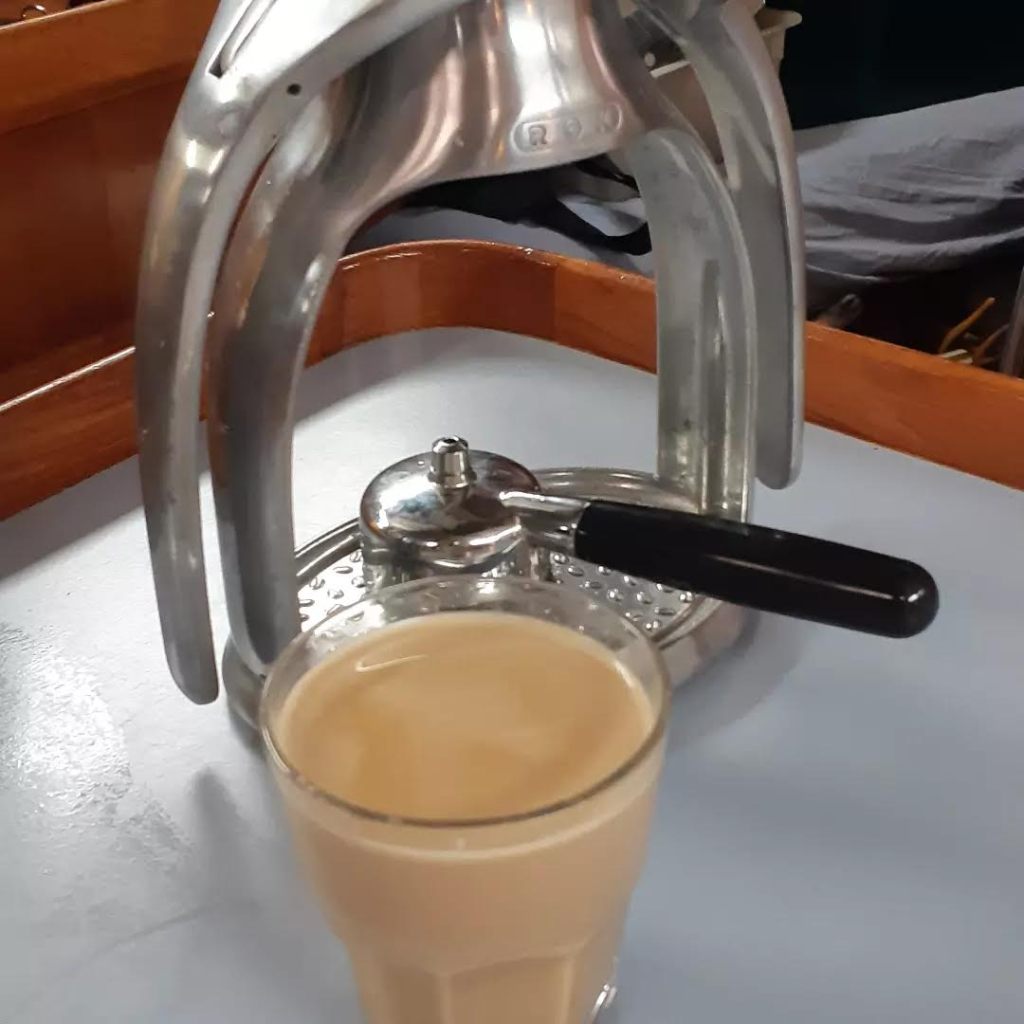
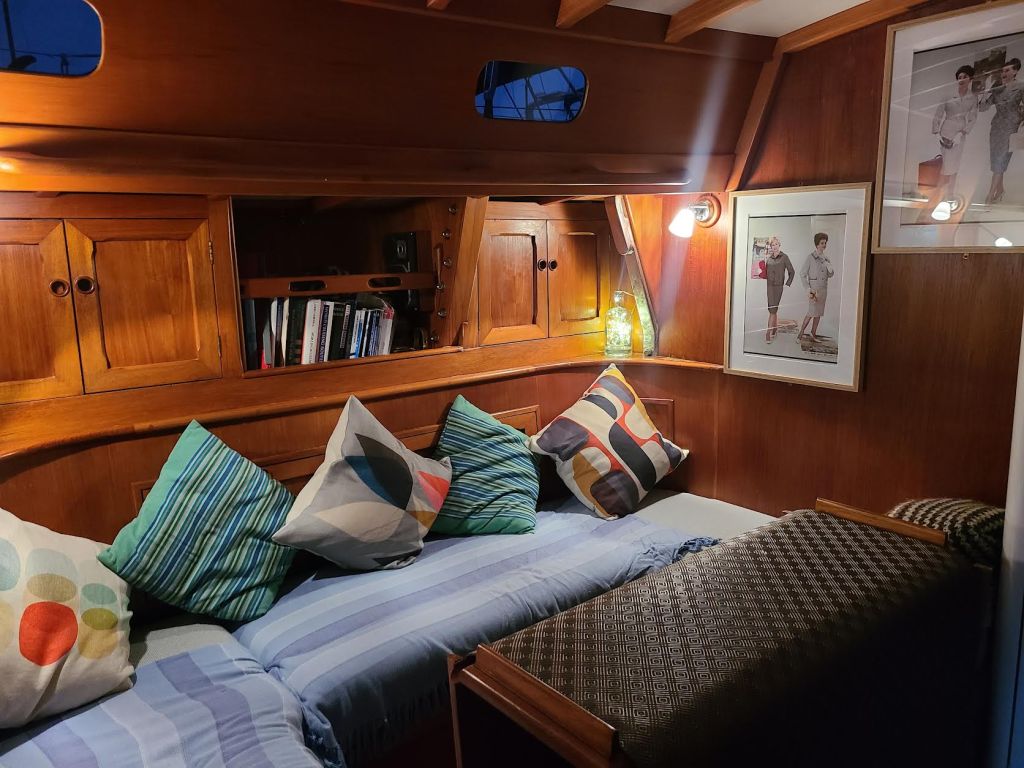
Enjoy the simple things of a decluttered life. You’ll find it declutters your mind.


 Cruising Innocenti
Leave a reply to ALwillison Cancel reply